
At Alcolizer Technology, we are committed to delivering accurate, reliable, and compliant drug testing solutions that support safer workplaces and communities. One of the most frequently asked questions in drug testing is about false positives – namely, which drug class has the most false positive results.
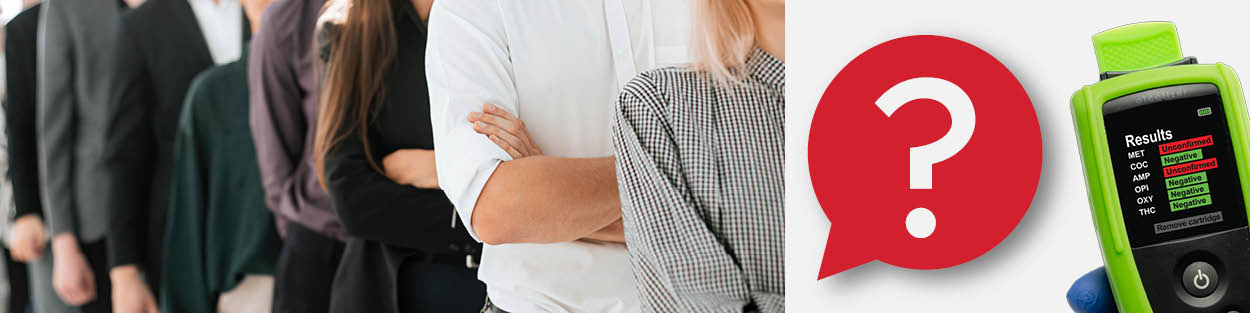
Based on insights from our nationwide onsite testing team, we’ve found that Amphetamines (AMP) are the most common source of unconfirmed (false positives) in initial drug screening.
Amphetamines, know as AMP on a drug test, are synthetic stimulants that increase the activity of key neurotransmitters in the brain – primarily dopamine, norepinephrine, and serotonin. This can result in increased alertness and energy, improved focus and concentration, elevated mood and suppressed appetite.
Initial drug screening tests are designed for speed and sensitivity, which can occasionally lead to unconfirmed positive results. This is why confirmatory testing is essential—to ensure accuracy and eliminate the risk of false positive drug tests.
This is because of cross-reactivity. Amphetamines belong to a broad class of central nervous system stimulants that include both prescription medications (such as dexamphetamine and lisdexamfetamine) and illegal drugs (such as methamphetamine).
These compounds share similar chemical structures, which is a key factor in how they are detected during drug screening. In initial immunoassay-based screening tests—commonly used for rapid, on-site drug testing—these structural similarities can lead to cross-reactivity.
This means that substances with similar molecular features may cause a false positive result, even if the specific target drug (in this case, amphetamine) is not present.
Certain common medications, decongestants, or other stimulants may produce false positive results for amphetamines at your first screening.
Not at all! It’s important to understand that this is a known limitation of immunoassay technology, not a flaw. Urine drug screens and saliva tests (oral fluid) are generally reliable aside from rare cases, and testing should always have a secondary stage to confirm any results.
These tests are designed to be highly sensitive to a broad range of compounds within a drug class, which is useful for initial screening but can occasionally compromise specificity.
To confirm any presumptive positive result (where drug use is detected for whatever reason), a secondary test is required. These methods are highly specific and can accurately identify and quantify the exact substance present, eliminating the risk of cross-reactivity.
Aside from illicit forms of amphetamines, several prescription and over-the-counter medications can produce a non-negative result (false positive) for AMP:
Some prescription drugs can cause a non-negative in urine drug tests or saliva testing. This includes legally prescribed medications such as:
Additionally, amphetamines may be legally prescribed in the treatment of conditions such as:
Despite their benefits for certain treatments, amphetamines have a high potential for misuse and addiction. Non-medical use can lead to:
To reduce the risk of unconfirmed results, it is recommend to conduct:
Unconfirmed (false positive) tests are a known and manageable aspect of drug testing. At Alcolizer Technology, we design our systems (like the Druglizer LE5) to align with National Standards and support accurate, efficient, and respectful testing.
Whether conducting urine tests or testing oral fluid for drug use, our testing systems have clear processes to confirm potential inaccurate test results.
Our Onsite Drug and Alcohol Testing service includes confirmation testing conducted through a NATA-accredited laboratory. These laboratory methods ensure results are scientifically validated, accurate, and legally defensible.
This two-step process (screening followed by confirmation) is a fundamental best practice in alcohol and other drug testing. It ensures the results are fair and enforceable.
By combining robust screening tools with reliable confirmatory testing, Alcolizer Technology helps organisations maintain safety while respecting individual rights and medical privacy.
If you’d like to learn more about how we can support your workplace with industry-leading drug and alcohol testing solutions, why not get in touch with our team today. We’re ready to help.
SHARE:
Alcolizer Technology Closed 24 Dec to 1 Jan
Onsite Testing continues as normal – your scheduled testing is unaffected.
Skeleton Staff will be available 29 to 31st Dec at our Perth Premises
Ph 1300 789 908 | [email protected]
Normal Operations Resume 2 January 2026
Wishing you a safe & happy holiday!